
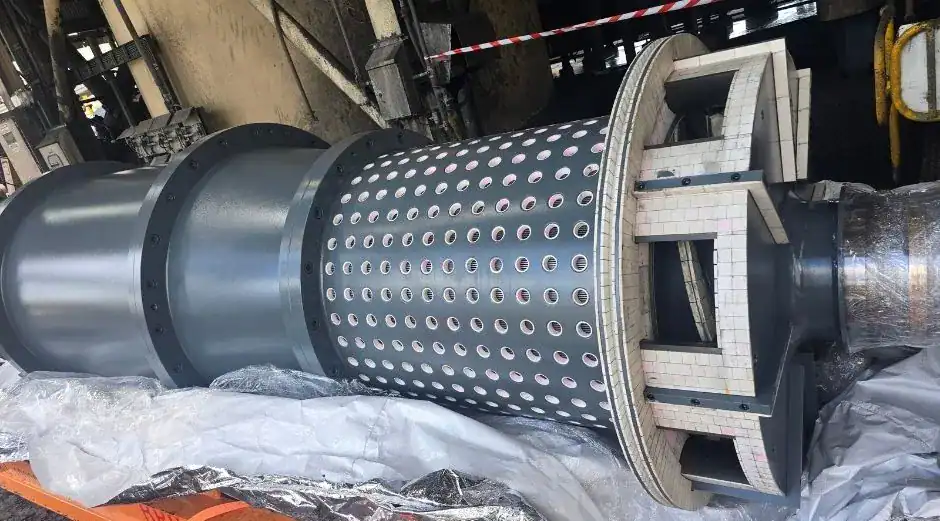
Dating back as far as the 1960s as a way of dewatering and processing flotation coal, screen bowl centrifuges in the mining industry are no new phenomenon.
Earliest examples of screen bowls being supplied by Thomas Broadbent and Sons into Australia dates back to the early 1980s.
When it comes to widely established ways of processing, many plant operators typically go by the rule ‘if it ain’t broke, don’t fix it’, but one company is proving that even the most reliable machines can benefit from smart innovation.
Lincom is taking the trusted screen bowl decanter centrifuge design originally manufactured by pioneering companies like Bird Machine and Thomas Broadbent and sons and introducing targeted upgrades to improve uptime, tackle abrasion and reducing wear on key components.
“Operators are running screen bowl decanters harder and longer than ever before with tight operating margins, what was originally marketed as “free money” and a way of recovering a little extra from what was a waste product in a coal handling wash plant,” Lincom Group product manager Alan Dunbar told Australian Mining. “This is now an integral part of the process.”
In business for 160 years, Broadbent’s decanter and basket centrifuges are engineered for continuous operation and high G-forces.
Lincom is the Australian distributor and technology partner of Thomas Broadbent and Sons. The two companies work together to ensure the equipment is manufactured to international standards, and also work to improve current machines to better serve the Australian coal industry.
Small changes make a big difference
To drive reliability and reduce repair cost, Lincom has been scrutinising areas where long-serving centrifuges experience wear. This kind of wear costs operators valuable time and capacity while reducing reliability.
Lincom’s approach centres on small, precise improvements that deliver long-term benefits.
The main challenge Lincom’s workshop Team had noticed was consistent mechanical abrasion and component damage, presenting in Coal Machines, regardless of brand these areas were regular points of failure.
Upgrades to bearings, seal designs and wear protection – while seemingly minor – help to ensure better asset life and reduces unplanned downtime.
“We’ve developed our own interlocking conveyor tile design, The 2195HP conveyor tiles, which improves performance over the two-year design life of the machine,” Dunbar said.
“Normally, when you service a machine, you need to completely overhaul or replace the conveyor. This improvement reduces that phenomenon and the conveyor tiles become the sacrificial part, which is what the original intention of the design was.”
“We have also redesigned our Solids bowl head on new screen bowls to a less tortuous side discharge design, where internal saddles replace the old Plough type. The exit velocity is greatly reduced. As well as our 2195HP tiles and additional redesign of the thrust bearing and trunnion seals, all common failure points with the aim to offer the best performance for our customers”
These small but impactful changes increase the life of a centrifuge and mean major overhauls aren’t needed as frequently, potentially increasing asset life by around 50 per cent in some cases.
“We’re aiming to get 10,000 to 12,000 hours of reliable service before the machines are due an overhaul ideally with sacrificial parts needing replacing and base materials no longer in a condition beyond repair” Dunbar said.
“It’s those really small, intricate changes that increase the lifetime of the asset and also reduces the amount of time you need to overhaul it.”
“Most operating sites will have only a single Spare rotating assembly, if more than one machine is due for service, that shorted turnaround, and increased uptime equates directly to profits”
The importance of these small changes can hardly be overstated, with these machines undergoing considerable stress in the mineral processing operation.
Centrifuges in coal operations endure intense workloads, often processing material around the clock. This makes reliability critical.
The impact of downtime is immediate and substantial. As Dunbar explained: “If you have rotating assemblies offsite awaiting repairs, you are not producing value from the asset, If operators have multiple units go down, the impact across the business is potentially catastrophic.”
By refining existing, proven technology with modern material and designs, Lincom is helping operators extend the life, value and reliability of one of mining’s most essential processing assets.
For miners under pressure to boost throughput while controlling costs, these small improvements aren’t just enhancements – they’re essential. And they’re keeping the industry’s hardest-working machines spinning longer and more efficiently than ever.
This feature appeared in the February issue of Australian Mining magazine.